Saturday, June 7, 2014

Birds in Flight--Part 1


Birds in flight are always beautiful and sometimes scary.  From the lowly Black Tern to the awesome Bald Eagle, to the intimidating Osprey, there's nothing more spectacular than to see a bird in flight. Here are my favorites.


These graceful Ibises look like they're attached and choreographed but it's just business as usual when they fly.


 The snowy owl on right has feathers that give the owl a silent, stealthy approach to its prey, which hears nothing until it's too late.


No comment necessary.


The hawk on the right took off immediately when I invaded its personal space.
Kaukana, Wisconsin, Bald Eagle


Herons are stately when quietly wading in water but are also agile and graceful in flight.


These Canada Geese made a fast escape from our condo pond when I approached.
 
The Black Tern photos were taken a few weeks ago at Horicon Marsh.  They are quick and accurate as they dive for their food, but when they hover like this there's a good chance to get a decent photo. 


This Osprey photo was taken on May 28th in Green Lake, where a pair of Ospreys returned to a nest they built last year on top of a light fixture at the local baseball field.

As you can see, the Osprey can be very scary looking (but perfectly beautiful!)

BTW, there's a Green Lake Association Osprey Cam available on the net. Just Google for it and watch as they sit on their eggs.

Thursday, February 20, 2014

Bald Eagles


The Bald Eagle, sometimes called the American Bald Eagle, is not really bald, and so does not resort to the dreaded "bird comb-over."  Apparently, the word "bald" used to mean "white" in earlier times and the adult Bald Eagle more accurately has white feathers on its head and tail.

Eagles weigh an average of about 12 pounds, have a life span of about 25 to 30 years, mate for life and can fly at altitudes reaching over 9,000 feet.  The nest (aerie) built by an eagle pair can weigh up to one ton.

The following photos were taken this month on two trips to Prairie Du Sac, Wisconsin at the Alliant Energy dam.  All photos were taken with a  300 mm fixed lens hand-held in my car.  (It was too cold to man a tripod outside.)


The eagles perch in nearby trees and when they spot a fish they circle above the water, hover, and then grasp the fish.


(Note the fish held in the talons.)


This juvenile eagle has not quite reached the adult stage (note the mottled feathers and not quite white tail.) But it definitely knew how to fish!


A better photo of a juvenile.


Eagles will fight over territorial rights or to try to steal another eagle's lunch.  They also sometimes grasp each other's talons and do a tail-spin, often while mating.


I cropped this from the above photo and converted it to black and white.
 
Is it any wonder that the Bald Eagle was selected to be our National Bird?


Sunday, January 26, 2014

Humpback Whales

January and February in Maui, Hawaii are peak times to view the enormous Humpback whale, there to take advantage of the warmer water for flirting, breeding, and calving. Competition among the males creates some of the best whale-watching as they gather in pods of 3 to 10 whales surrounding a female like closing time at the local bar.


Humpback adult whales average 40-50 feet in length and weigh between 70,000 to 90,000 lbs.  The average weight of the heart of a Humpback is about 430 lbs. Think of the Humpback as a school bus with flippers.

The above photo (rare) is of a Humpback "spy-hopping," a term used to describe the behavior of the whale as it treads water and sticks a portion of its head out of water in order to observe the surroundings, in this case a raft containing amazed and gawking tourists.  The eyes of this whale are below the surface of the water; whales see equally well in both air and water. This curious whale stayed for about 10-15 seconds before submerging.

 "Breaching" is when the whale projects itself high out of the water and noisily slaps the water with its body and fins as it lands. It is speculated that it does this to attract attention or simply because it is fun. (It's also very difficult---I tried in the bathtub but failed.)


When the Humpback dives, its enormous fins are the last image you see as it goes down into the ocean.  Note the barnacles beginning to form.


The Humpbacks usually migrate from Hawaii back to Alaska, returning there in late summer to feed on krill and other food sources. By this time, there are many calves accompanying the Humpbacks.  After a gestation period of about one year, calves are born (tail first) weighing about 4,500 lbs. and the length of about 14 feet.
 
We were in Alaska's inside passage years ago and observed Humpback calves slapping their fins and breaching for long periods without stopping, much like playful children. (see photo below)


I encourage you to see these beautiful creatures in their environment---it is an everlasting memory.


Thursday, November 14, 2013

Macro photos---less is more!

Macro photography simply defined refers to photographing small objects and making them large.  For example, the photo close-up of a bug that emphasizes its bulging eyes or, as in the series below, the photographing of flowers from a very close point of view that produces a large image.

The macro process often challenges our perception of the object, and we don't always recognize it.


These three photos are of tulips:                                                 


The next series includes macro shots of orchids, most of them taken at Bayside Nursery:


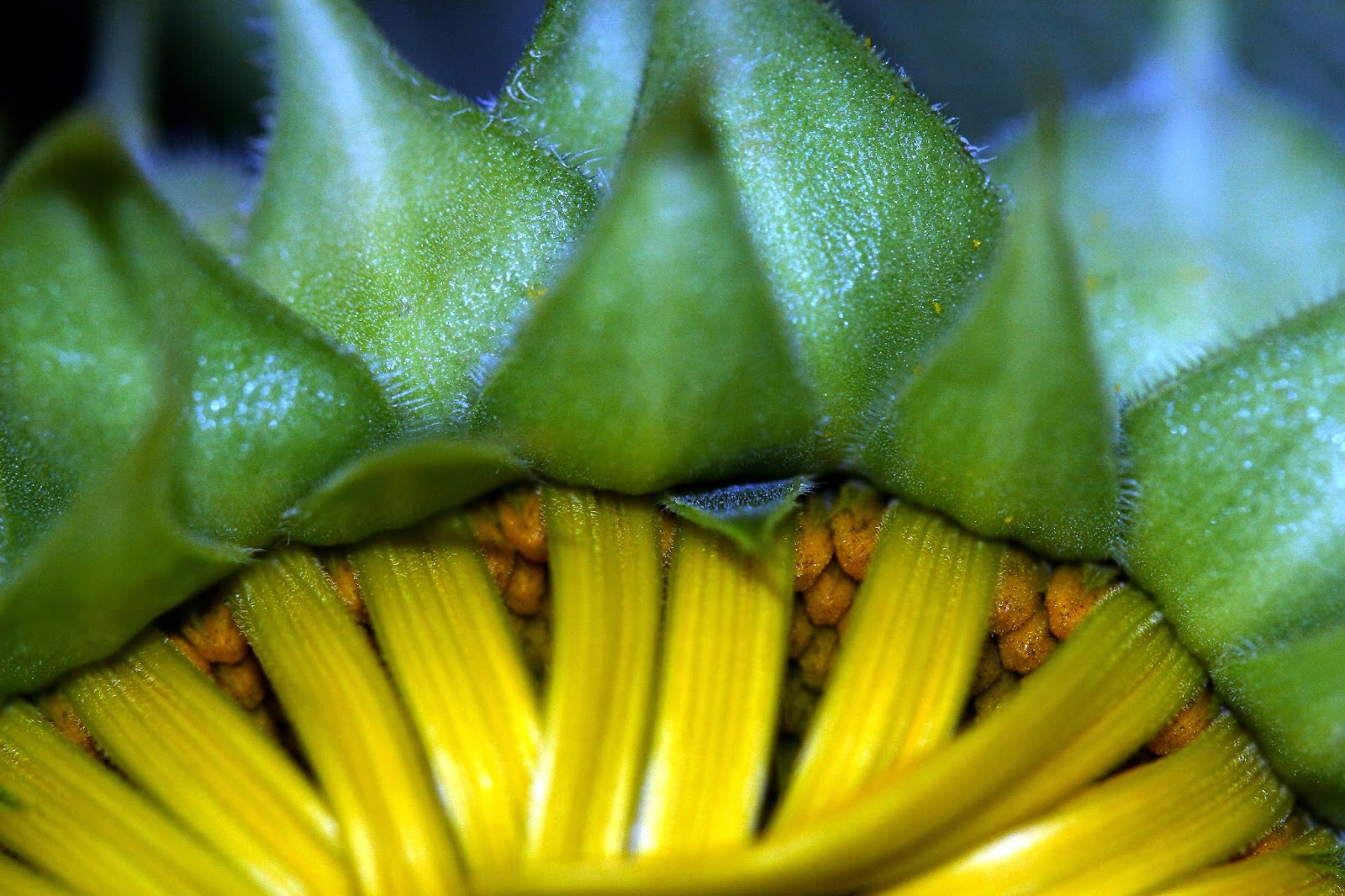
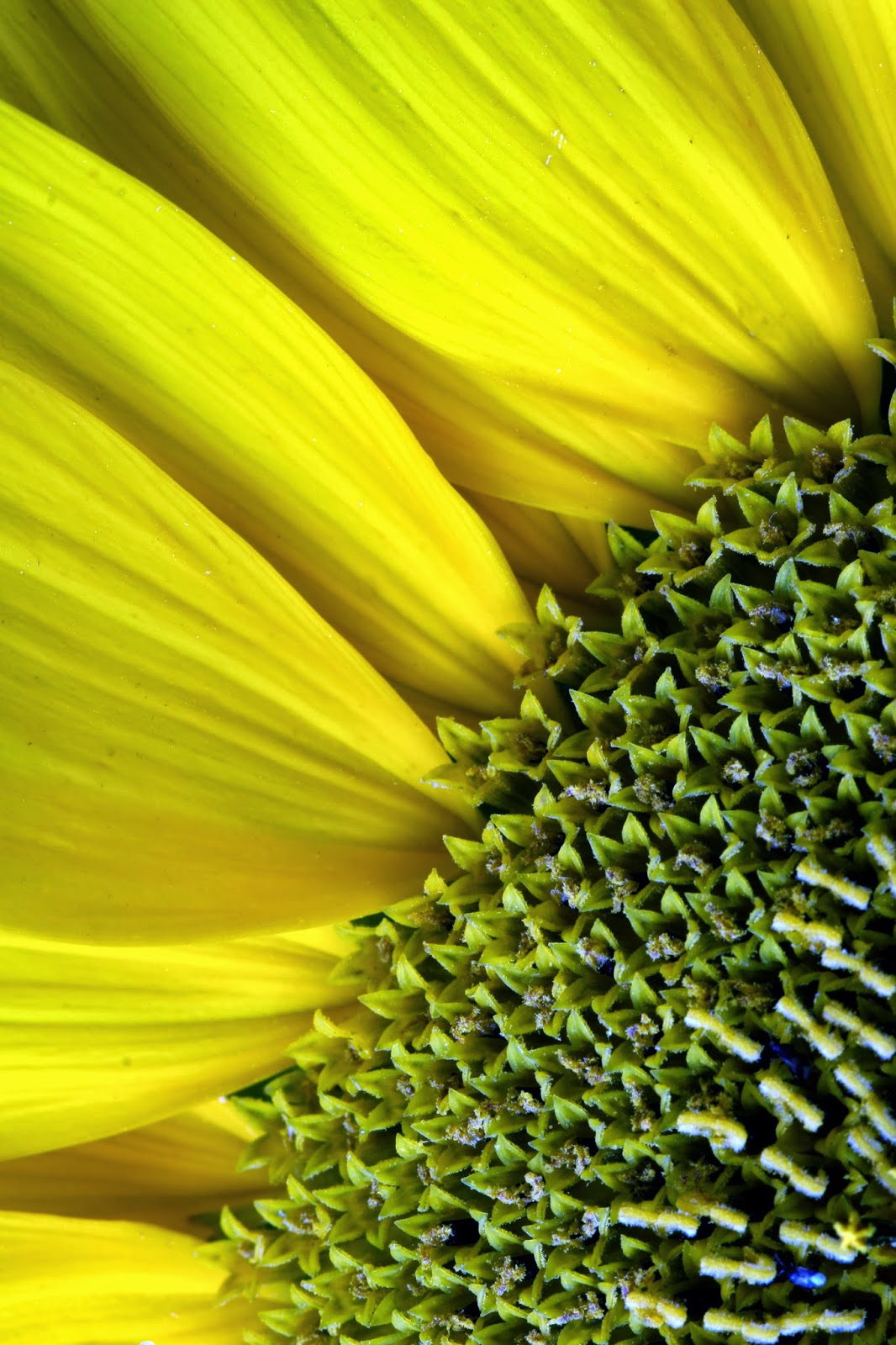
Daisies, sunflowers, roses, begonias---all perfect for macro photography:


This bumblebee was too busy working in the hollyhock to notice my intrusion:


 Disclaimer:  I may have erred in some of the flower names.  Feel free to make corrections!